People who contract the Omicron variant of COVID-19 are likely to experience less severe symptoms than those with Delta, a new study has found.
The research concluded that those with Omicron were less likely to be admitted to hospital and lose their sense of smell than people with Delta.
Symptoms do not tend to last as long in vaccinated individuals with the current dominant variant than in people with Delta, at 6.87 days versus 8.89 days.
The findings support earlier studies that suggest the incubation time and period of infectiousness for Omicron is shorter than for previous COVID strains.
Research showed that the loss of sense of smell appeared in 52.7% of Delta cases, while it showed up in less than 20% of Omicron cases - marking the biggest difference between the two.
Advertisement
However, the two symptoms that were consistently noted in both variants, regardless of vaccination status, were a sore throat and hoarse voice.
Some of the more debilitating symptoms, including brain fog, eye burning, dizziness, fever and headaches were significantly less prevalent in Omicron cases, according to researchers.
More on Covid-19
Related Topics:
Dr Cristina Menni from King's College London said: "We observe a different clinical presentation of symptoms in those infected with Omicron compared to Delta.
"As we are moving even further away from the average patient having UK government 'core' symptoms ie fever, persistent cough, loss of smell, our results point to a different selection of symptoms that may indicate infection.
"To protect others, it is still important to self-isolate for five days as soon as you see any symptoms."
Please use Chrome browser for a more accessible video player
2:18
COVID continues to cause chaos
Professor Ana Valdes, an honorary professor at King's College London, said: "Although there is still a wide range of duration and severity of symptoms with Omicron, for vaccinated individuals we find on average a shorter duration of symptoms.
"This suggests that the incubation time and period of infectiousness for Omicron may also be shorter."
For the study, researchers from King's College London and scientists from Zoe studied the symptoms of 62,002 vaccinated UK participants from the Zoe Covid Study App who tested positive between 1 June last year and 27 November, when Delta was dominant, and 22 December 2021 to January 17 this year when Omicron was dominant.
Findings from the research will be presented at the European Congress of Clinical Microbiology & Infectious Diseases (ECCMID) this month in Lisbon.
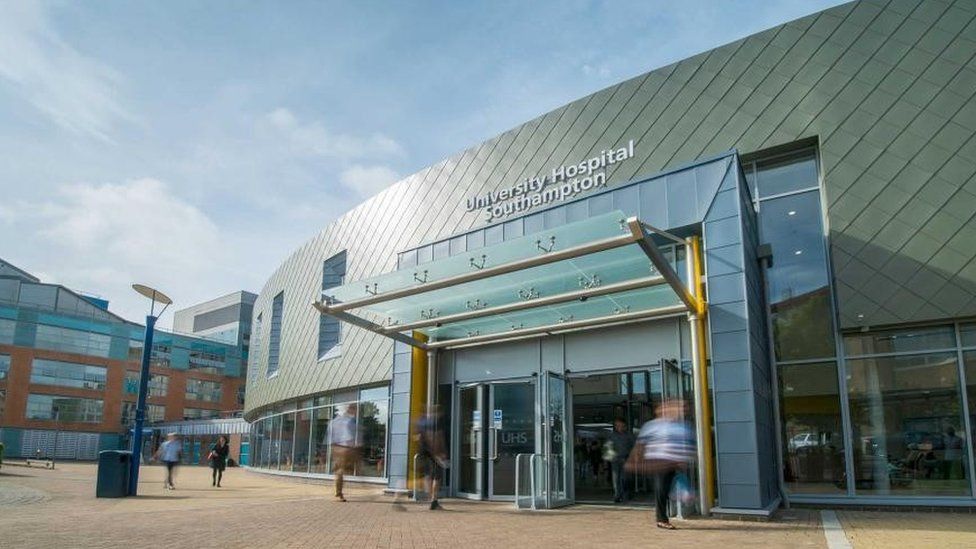
University Hospital Southampton said it remained under "significant pressure" due to the mix of Covid and norovirus cases within the hospital along with staff sickness levels at double the expected rate.
Dr Derek Sandeman, chief medical officer for Hampshire and Isle of Wight Integrated Care System, told the BBC: "Managing the flows and providing the care for a number of people who need us at the moment feels more difficult than at any point over the last three years.
"I think most people who have worked in the health service have never found a moment quite as difficult at this."
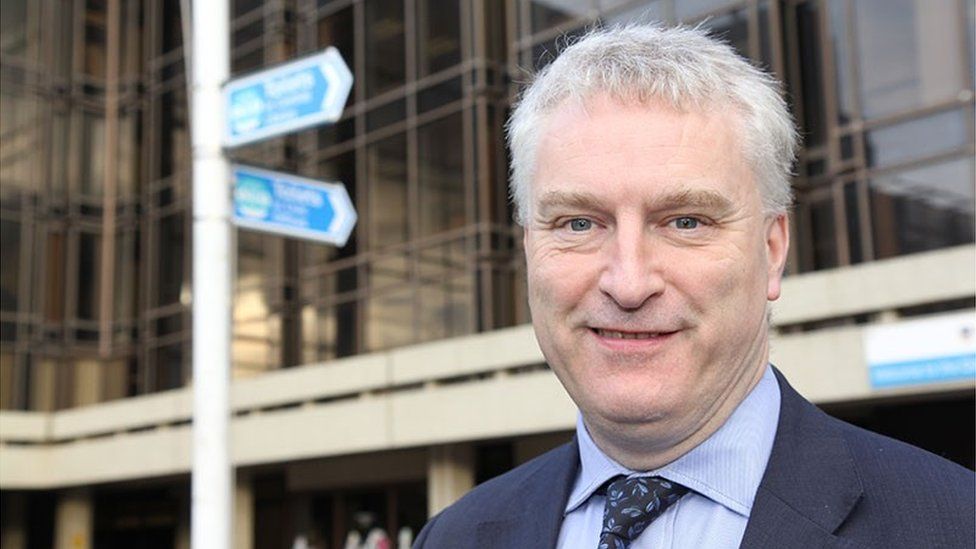
Mr Vernon-Jackson said ambulances wasted 233 hours waiting to discharge patients into the QA hospital last weekend.
He said part of the problem was the government had recently abolished funding which allowed the health care sector to purchase places in nursing homes for hospital patients.
"We used to have convalescence homes in the old days but we don't have those now because the NHS has shut them down to concentrate on critical care," he said.
Google
The leader of the Liberal Democrat minority administration added the government could improve matters by making it easier for people to get GP appointments and use pharmacists.
Mr Vernon-Jackson also called for the rules around the recruiting of European care workers, affected by changes to the immigration system post-Brexit, to be relaxed.
The leaders of the Conservative and Labour groups have been contacted for comment.
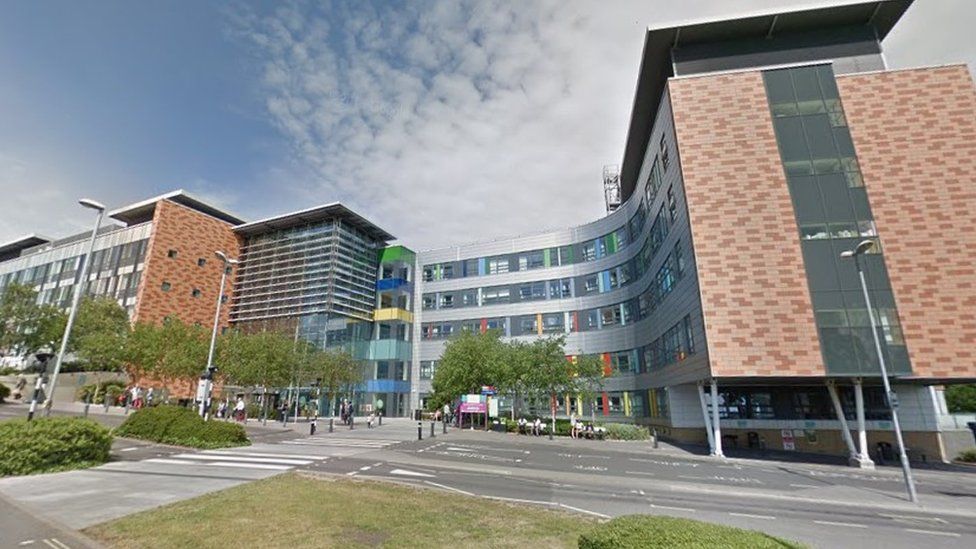
Portsmouth University Hospitals posted on social media on Wednesday saying A&E would only take patients with urgent or life-threatening conditions.
This video can not be played
To play this video you need to enable JavaScript in your browser.
Many of those who commented blamed restrictions on face-to-face appointments at GP surgeries.
"Surgeries need to start opening their doors again and make it easier for patients", said one.
"People are going to A&E as it's almost impossible to see a doctor," said another.
More than 650 people with Covid are currently being treated in Hampshire hospitals, more than two-and-a-half times more than in early January during the peak of winter.
Hampshire, Southampton and Isle of Wight Clinical Commissioning Group said almost half of staff sicknesses were due to Covid.
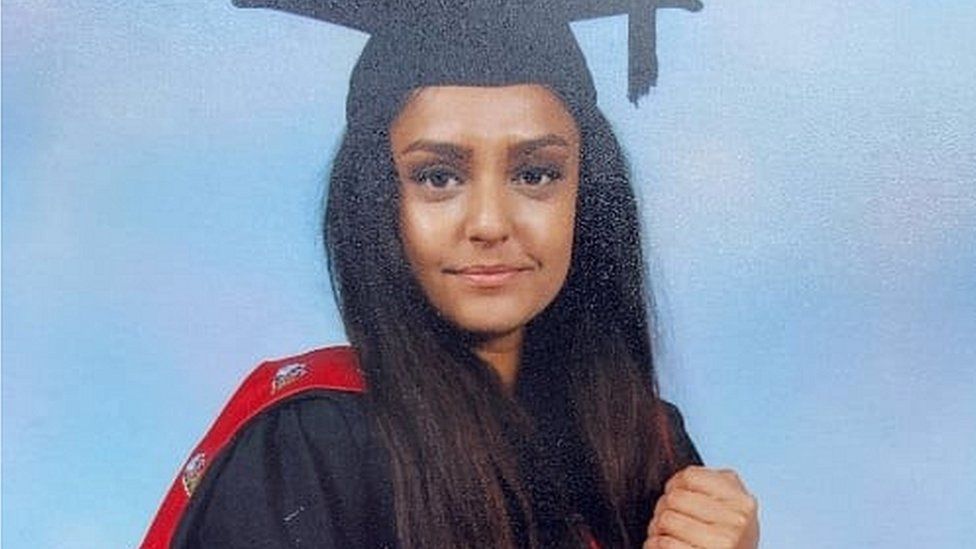
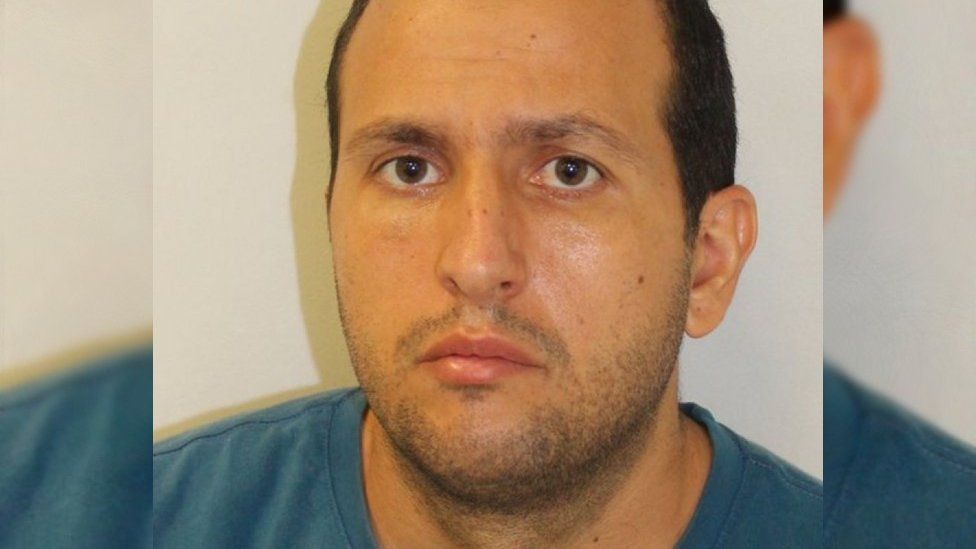
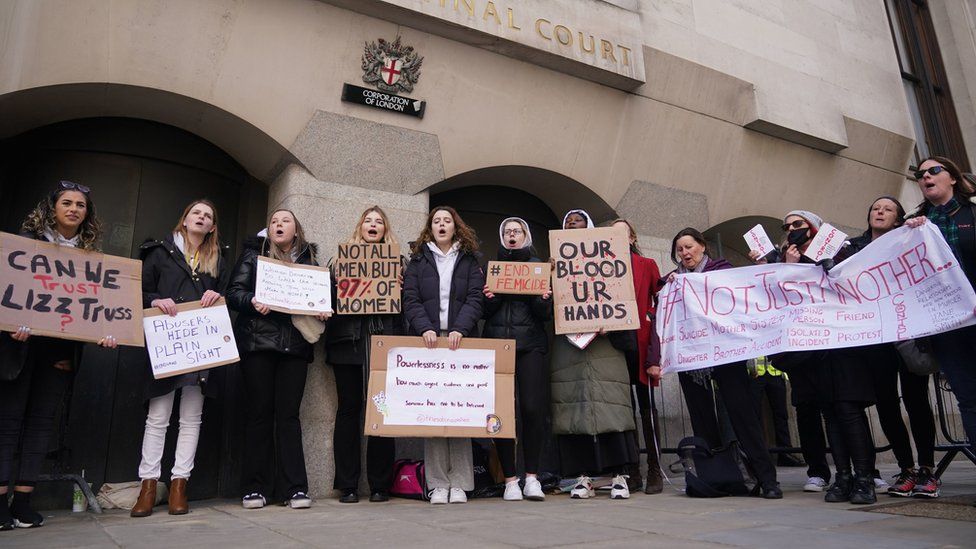
The family of murdered primary school teacher Sabina Nessa has branded her killer a "disgusting animal" and a "coward" at his sentencing hearing, which he refused to attend.
Koci Selamaj, 36, beat and strangled the 28-year-old as she walked through Cator Park, south London, in September.
Ms Nessa's sister Jabina Islam called Selamaj an "awful human". Sentencing at the Old Bailey was adjourned to Friday.
Speaking in court, Ms Islam labelled Selamaj a "coward" for not facing up to his crime at the hearing.
She said: "You are an awful human being and do not deserve your name to be said. You are a disgusting animal."
'Amazing soul'
She said her sister was an "amazing role model" who was "powerful, fearless, bright and just an amazing soul".
Ms Islam described being haunted by images of what her sister went through in her last moments.
Ms Nessa's parents, Abdur Rouf and Azibun Nessa, said in a statement: "You had no right to take her away from us in such a cruel way.
"The moment the police officer came to our house and told her she was found dead our world shattered into pieces.
"How could you do such a thing to an innocent girl walking by, minding her own business?
"You are not a human being, you are an animal."
The head teacher where their daughter had worked said the school was in "utter shock" and described Ms Nessa as a "happy, hard-working" teacher who had a "fulfilling career ahead of her".
Met Police
Ms Nessa had left her home on 17 September to meet a friend at a bar when she was targeted by Selamaj, who was said to have driven to London from his home in Eastbourne to carry out "a predatory attack on a stranger".
The court heard the Albanian national carried out the murder with "extreme violence", prosecutor Alison Morgan QC said. The court heard the murder involved a sexual or sadistic element.
CCTV footage played in court showed Selamaj had spotted Ms Nessa and checked to see if there was anyone else around.
He then ran towards his victim and struck her 34 times using a metal traffic triangle.
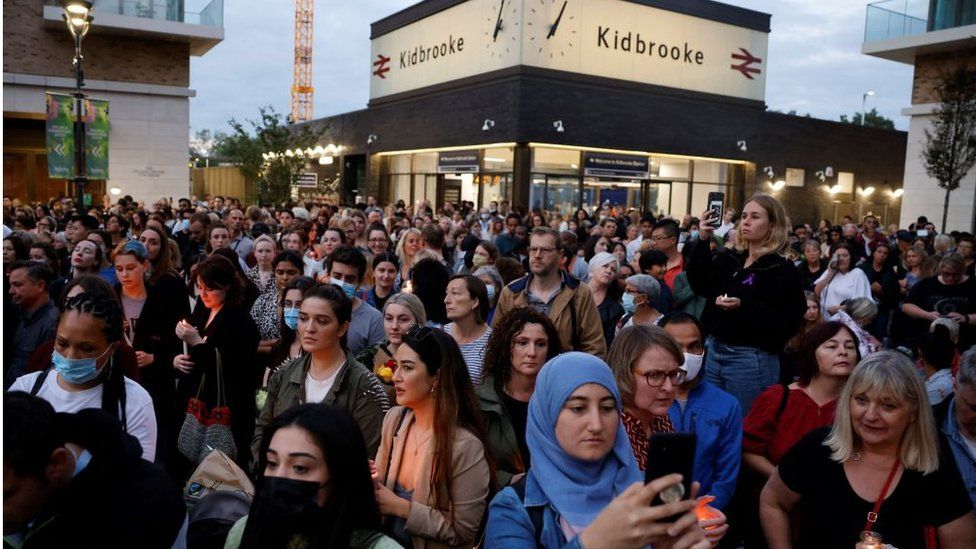
The defendant then carried her away unconscious before strangling her in the park in Kidbrooke and removing her tights and underwear. He then tried to cover her body in grass, the court heard.
He disposed of the weapon in a river on his way back to Eastbourne.
Getty Images
Three days before the attack, he booked a room at the five-star Grand Hotel in Eastbourne.
Ms Morgan suggested the booking of a room at the hotel near his home was "indicative of his premeditation to have some kind of sexual encounter that evening".
Met with ex-partner
On the day of the attack, Selamaj met his former partner, who told the court he appeared "very agitated" when they met at his car near the hotel.
She said: "I think that he wanted to have sex in the car. I don't know what was bothering him, but he was very agitated."
She refused to join him on the back seat and left, the court was told.
PA Media
Head teacher Lisa Williams also described the "devastating" impact the primary school teacher's murder had had on pupils.
Her class of 30 students "will never be able to comprehend why someone murdered their teacher and the world in which they live is not safe for them to play in a park," she said in a statement.
Refused to talk
Selamaj initially refused to comment in police interviews but when he was charged, he asked: "What will happen if I open up now and say everything?"
In mitigation, Lewis Power QC said Selamaj's family, who had attended court, were in "shock and total disbelief".
He said his client had provided no explanation for why he murdered Ms Nessa, adding: "He simply accepts that he did it."
Mr Justice Sweeney said the "inevitable" sentence would be life in prison, with a starting point for a minimum term of 30 years.
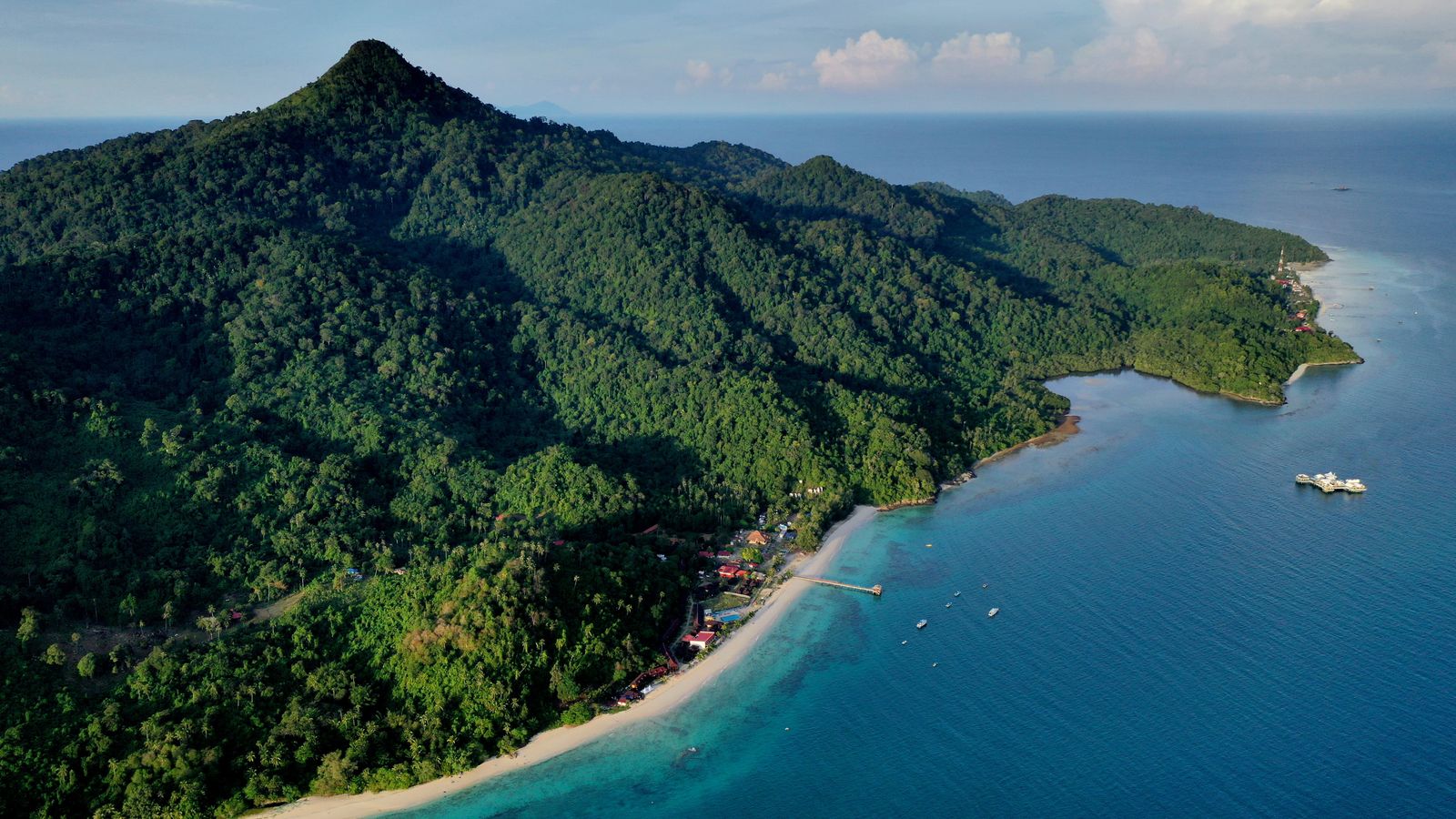
A British man and teenager are among four people who have gone missing while diving off the coast of a Malaysian island.
The 46-year-old man and 14-year-old boy were taking part in a training exercise off Pulau Tokong Sanggol, nine miles away from the coastal town of Mersing.
A 35-year-old woman from Norway and an 18-year-old French woman also went missing.
Malaysia's Maritime Enforcement Agency launched a search and rescue operation on Wednesday afternoon, but it was suspended that evening due to poor visibility.
It was restarted on Thursday morning.
Advertisement
The UK's Foreign, Commonwealth and Development Office is in contact with the resort the Britons were staying at and have offered consular assistance.
It has not yet received a request for assistance but stands ready to support the family of the Britons who went missing.
More from World
Malaysia's borders were closed for more than two years during the pandemic, and only reopened at the start of the month.
More than 55,000 tourist entered Malaysia in the first four days after the border opened, officials said.
Up to eight more nuclear reactors could be delivered on existing sites as part of the UK's new energy strategy.
The plan, which aims to boost UK energy independence and tackle rising prices, also includes plans to increase wind, hydrogen and solar production.
But experts have called for a bigger focus on energy efficiency and improving home insulation.
Consumers are facing soaring energy bills after the Russian invasion of Ukraine pushed gas prices even higher.
Under the government's new plans, up to 95% of the UK's electricity could come from low-carbon sources by 2030.
It outlines, for example, the hope of producing up to 50 gigawatts (GW) of energy through offshore wind farms, which the Department for Business, Energy and Industrial Strategy (Beis) said would be more than enough to power every home in the UK.
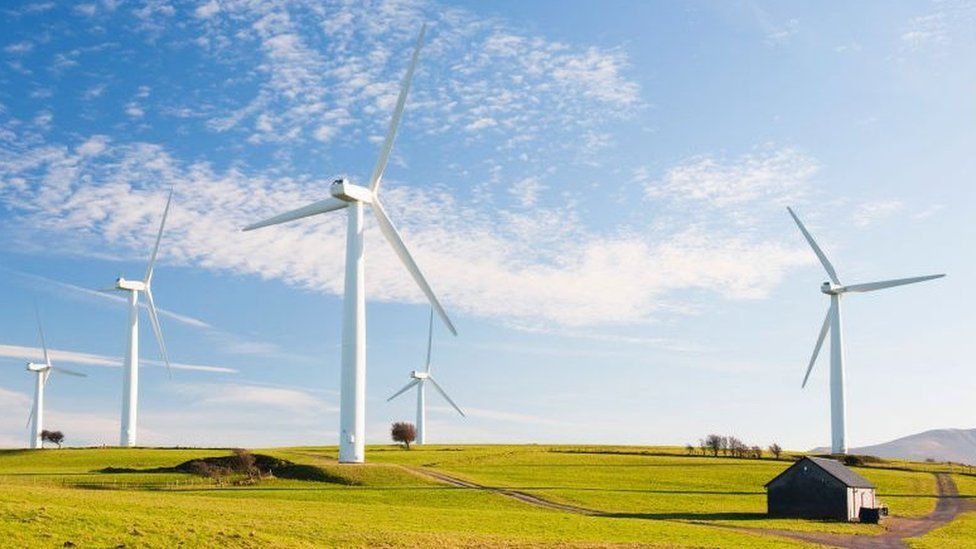
But one of the big points of contention is thought to have been the construction of onshore wind turbines.
Key points of the new energy strategy
Nuclear - The government plans to reduce the UK's reliance on oil and gas by building as many as eight new nuclear reactors, including two new reactors at Sizewell in Suffolk. A new body will oversee the delivery of the new plants.
Wind - The government aims to reform planning laws to speed up approvals for new offshore wind farms. For onshore wind farms it wants to develop partnerships with "supportive communities" who want to host turbines in exchange for guaranteed cheaper energy bills.
Hydrogen - Targets for hydrogen production are being doubled to help provide cleaner energy for industry as well as for power, transport and potentially heating.
Solar - The government will consider reforming rules for installing solar panels on homes and commercial buildings to help increase the current solar capacity by up to five times by 2035.
Oil and gas - A new licensing round for North Sea projects is being launched in the summer on the basis that producing gas in the UK has a lower carbon footprint than doing so abroad.
Heat pumps - There will be a £30m "heat pump investment accelerator competition" to make British heat pumps which reduce demand for gas.
Environmentalists and many energy experts have reacted with disbelief and anger at some of the measures in the strategy.
They cannot believe the government has offered no new policies on saving energy by insulating buildings.
They say energy efficiency would immediately lower bills and emissions, and is the cheapest way to improve energy security.
A Downing Street source said the strategy was now being seen as an energy supply strategy.
Campaigners are also furious that ministers have committed to seeking more oil and gas in the North Sea, even though humans have already found enough fossil fuels to wreck the climate.
There is a strong welcome, though, for the promise of more energy from wind offshore with speedier planning consent.
The same boost has not been offered to onshore wind.
The decision to boost nuclear has drawn a mixed reaction. Some environmentalists say it's too dear and too dangerous. They ridicule the idea from some politicians that every city could have its own mini reactor.
But other climate campaigners believe nuclear must be part of the energy mix.
Nuclear plans
The government announced that a new body called Great British Nuclear will be launched to bolster the UK's nuclear capacity, with the hope that by 2050 up to 24 GW of electricity will come from that source - 25% of the projected electricity demand.
The focus on nuclear will deliver up to eight reactors overall, with one being approved each year until 2030.
It also confirmed advanced plans to approve two new reactors at Sizewell in Suffolk during this parliament.
Tom Greatrex, boss of the Nuclear Industry Association, said the plans marked a "vital step forward" for the UK to meet its climate goals, and could create thousands of jobs.
"The ambition and determination to do much more and quicker is very welcome," he said.
The government said it would reform planning rules to cut approval times for new offshore wind farms.
For onshore wind, the strategy commits to consulting on developing partnerships with "a limited number of supportive communities" who want to host wind turbines in exchange for guaranteed lower energy bills.
Although it is one of the cheapest forms of energy, new onshore wind projects have been declining since 2015 when the government ended subsidies and introduced stricter planning rules in response to some complaints that wind turbines were an eyesore and noisy.
There are also plans to accelerate oil and gas production with a new licensing round for North Sea projects to launch in the summer.
The government said it recognised the importance of these fuels to energy security "and that producing gas in the UK has a lower carbon footprint than imported from abroad".
'Opportunity missed'
Green Party co-leader Adrian Ramsay said the new strategy "did not serve the needs of people or the climate".
Mr Ramsay suggested that if the government was "concerned about energy bills and taking real climate action, it would be going even further on onshore wind."
Former Ofgem boss Dermot Nolan said: "Most of these decisions will take a long time to have an impact and in the short run we will continue to be dependent on fossil fuels.
He said the lack of focus on energy efficiency, on insulation, on improving the quality of people's homes "is an opportunity missed".
Getty Images
Ed Miliband, Labour's shadow climate change and net-zero secretary, said: "The government's energy relaunch is in disarray. This relaunch will do nothing for the millions of families now facing an energy bills crisis."
Liberal Democrat leader Sir Ed Davey also described the plans as "utterly hopeless", while the SNP's Stephen Flynn called it a "missed opportunity".
Dr Simon Cran-McGreehin, head of analysis at the Energy & Climate Intelligence Unit said: "This is an immediate problem that needs solutions now, and this doesn't do anything on prices.
"It tries to do some things on energy supply, but they're all medium to long-term measures. So it does seem to fail the exam question," he said.
Prime Minister Boris Johnson said in a statement that the strategy would "reduce our dependence on power sources exposed to volatile international prices we cannot control, so we can enjoy greater energy self-sufficiency with cheaper bills".
Business and Energy Secretary Kwasi Kwarteng added: "Scaling up cheap renewables and new nuclear, while maximising North Sea production, is the best and only way to ensure our energy independence over the coming years."
Boris Johnson has said that "biological males should not be competing in female sporting events".
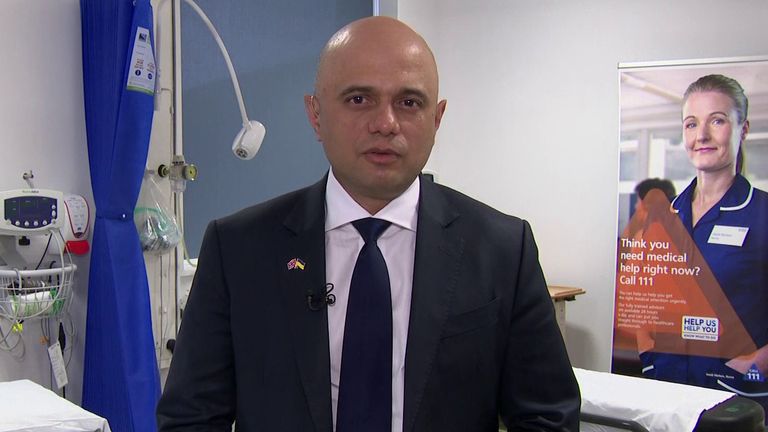
Speaking to broadcasters on a hospital visit on Wednesday, the prime minister said of his view: "It just seems to me to be sensible."
He continued: "I also happen to think that women should have spaces - whether it is in hospitals or prisons or changing rooms or wherever - which are dedicated to women."
The PM added: "That doesn't mean that I am not immensely sympathetic to people that want to change gender, to transition and it is vital that we give people the maximum possible love and support in making those decisions."
Mr Johnson's comments came as it was confirmed that plans for a landmark global LGBT conference in the UK this summer were cancelled after more than 100 groups pulled out following changes to plans to ban conversion therapy.
Advertisement
Please use Chrome browser for a more accessible video player
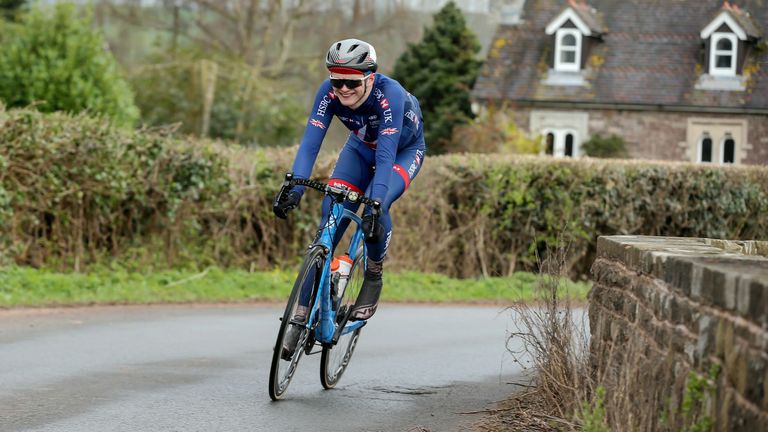
Bridges, 21, who had been due to compete in a women's event for the first time at the British National Omnium Championships, set a national junior men's record over 25 miles in 2018 and began hormone therapy last year to reduce her testosterone levels.
Also this week, new guidance from the Equality and Human Rights Commission said that transgender people can be legitimately excluded from single-sex services - but only if the reasons are "justifiable and proportionate".
The government's watchdog said that the justification could be for reasons of privacy, decency, to prevent trauma or to ensure health and safety.
But LGBT+ charity Stonewall warned that the new guidance is likely to cause more confusion and a greater risk of illegal discrimination.
Deputy PM Dominic Raab took to social media to express his agreement with the prime minister, saying "it doesn't strike me as fair for those born male to compete with those born female in sport".
Mr Raab continued: "Above all, we should work through these issues without either side of the debate shouting the other side down."
Image:The PM said he is committed to banning 'gay conversion therapy'
PM commits to 'ban on gay conversion therapy'
The prime minister made clear that his government "will have a ban on gay conversion therapy", but added that there are "complexities and sensitivities when you move from the area of sexuality to the question of gender".
Meanwhile, Labour leader Sir Keir Starmer told broadcasters that "conversion therapy in all forms should be banned" and that the government must "stick to its promises".
In 2015, the International Olympic Committee (IOC) changed its rules allowing transgender athletes to compete as a woman if their testosterone levels are below a certain threshold - ten nanomoles per litre for at least 12 months before the competition.
Testosterone is a hormone that increases muscle mass.
In 2019, World Athletics lowered the maximum level to five nanomoles per litre.
New IOC guidance last year said transgender women should not be forced to reduce their testosterone levels to compete in sports.
It replaced the guidelines from 2015 and reversed the IOC's previous stance on transgender athletes.
The new framework also states that no athlete should be excluded from competition on the grounds of a perceived "unfair and disproportionate advantage" due to their gender.
However, the new guidelines are not legally binding.
Please use Chrome browser for a more accessible video player
1:36
'We must take sensitive approach to trans'
Former LGBT adviser accuses PM of 'pathetic excuses'
At the time they were issued, the governing body said that it was not in a position to issue regulations that define eligibility criteria for every sport, instead leaving it to individual federations to make the final call.
The IOC said it plans to work with federations on a "case by case basis".
The new guidelines were introduced just a few months after the New Zealand weightlifter Laurel Hubbard made history as the first transgender athlete to compete at an Olympics in the games' 125 year history.
At the time, critics argued her participation in the competition to be unfair.
Meanwhile, a former LGBT government adviser has urged leaders to stop making "pathetic excuses" for not banning transgender conversion therapy.
Jayne Ozanne told the PA news agency the LGBT+ community's trust in the government is "completely and utterly broken" by a series of U-turns last week and its backtracking on commitments to include transgender people in upcoming legislation to ban the practice.
Confirming the cancellation of the Safe To Be Me conference due to be held in London this summer, a government spokesperson said it was "disappointing" that organisations had withdrawn from the event.
"We remain committed to strengthening LGBT rights and freedoms and will continue to support human rights defenders globally and to influence and support countries on the path to decriminalisation," the spokesperson said.
Posting on social media on Wednesday, Conservative MP Elliot Colburn said he was "extremely concerned" by the conference being scrapped.
"Fuelling the fire and giving into some kind of culture war will benefit no-one," he warned.
Boris Johnson has said that "biological males should not be competing in female sporting events".
Speaking to broadcasters on a hospital visit on Wednesday, the prime minister said of his view: "It just seems to me to be sensible."
He continued: "I also happen to think that women should have spaces - whether it is in hospitals or prisons or changing rooms or wherever - which are dedicated to women."
The PM added: "That doesn't mean that I am not immensely sympathetic to people that want to change gender, to transition and it is vital that we give people the maximum possible love and support in making those decisions."
Please use Chrome browser for a more accessible video player
Bridges, 21, who had been due to compete in a women's event for the first time at the British National Omnium Championships, set a national junior men's record over 25 miles in 2018 and began hormone therapy last year to reduce her testosterone levels.
More on Boris Johnson
Related Topics:
Also this week, new guidance from the Equality and Human Rights Commission said that transgender people can be legitimately excluded from single-sex services - but only if the reasons are "justifiable and proportionate".
The government's watchdog said that the justification could be for reasons of privacy, decency, to prevent trauma or to ensure health and safety.
But LGBT+ charity Stonewall warned that the new guidance is likely to cause more confusion and a greater risk of illegal discrimination.
Deputy PM Dominic Raab took to social media to express his agreement with the prime minister, saying "it doesn't strike me as fair for those born male to compete with those born female in sport".
Mr Raab continued: "Above all, we should work through these issues without either side of the debate shouting the other side down."
Image:The PM said he is committed to banning 'gay conversion therapy'
PM commits to 'ban on gay conversion therapy'
The prime minister made clear that his government "will have a ban on gay conversion therapy", but added that there are "complexities and sensitivities when you move from the area of sexuality to the question of gender".
Meanwhile, Labour leader Sir Keir Starmer told broadcasters that "conversion therapy in all forms should be banned" and that the government must "stick to its promises".
In 2015, the International Olympic Committee (IOC) changed its rules allowing transgender athletes to compete as a woman if their testosterone levels are below a certain threshold - ten nanomoles per litre for at least 12 months before the competition.
Testosterone is a hormone that increases muscle mass.
In 2019, World Athletics lowered the maximum level to five nanomoles per litre.
New IOC guidance last year said transgender women should not be forced to reduce their testosterone levels to compete in sports.
It replaced the guidelines from 2015 and reversed the IOC's previous stance on transgender athletes.
The new framework also states that no athlete should be excluded from competition on the grounds of a perceived "unfair and disproportionate advantage" due to their gender.
However, the new guidelines are not legally binding.
Please use Chrome browser for a more accessible video player
1:36
'We must take sensitive approach to trans'
Former LGBT adviser accuses PM of 'pathetic excuses'
At the time they were issued, the governing body said that it was not in a position to issue regulations that define eligibility criteria for every sport, instead leaving it to individual federations to make the final call.
The IOC said it plans to work with federations on a "case by case basis".
The new guidelines were introduced just a few months after the New Zealand weightlifter Laurel Hubbard made history as the first transgender athlete to compete at an Olympics in the games' 125 year history.
At the time, critics argued her participation in the competition to be unfair.
Meanwhile, a former LGBT government adviser has urged leaders to stop making "pathetic excuses" for not banning transgender conversion therapy.
Jayne Ozanne told the PA news agency the LGBT+ community's trust in the government is "completely and utterly broken" by a series of U-turns last week and its backtracking on commitments to include transgender people in upcoming legislation to ban the practice.
And plans for a landmark global LGBT conference in the UK this summer look set to be cancelled after more than 100 groups pulled out following changes to plans to ban conversion therapy.
Posting on social media on Wednesday, Conservative MP Elliot Colburn said he was "extremely concerned" by the conference being scrapped.
"Fuelling the fire and giving into some kind of culture war will benefit no-one," he warned.