Jumat, 22 Januari 2021

Coronavirus: UK R number 'between 0.8 and 1' - BBC News

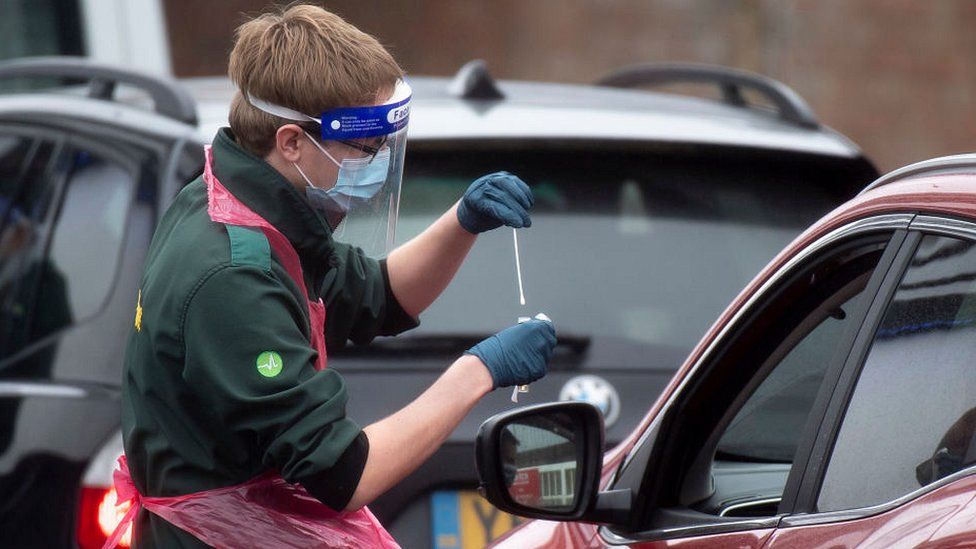
health worker taking swab through car window
Getty Images

The UK's Covid epidemic appears to be shrinking for the first time since early December.

The government's scientific advisors have estimated the virus is reproducing at a rate of between 0.8 and 1.

Anything below one means infections are falling.

Meanwhile Office for National Statistics (ONS) figures also suggest cases are decreasing slightly or levelling off across Britain.

In a statement, the Department of Health and Social Care said: "There is variation across the country with R estimated to be below one in areas that have been under tighter restrictions for longest.

"Cases remain dangerously high and...it is essential that everyone continues to stay at home, whether they have had the vaccine or not."

Infections are falling more slowly than they did during the first lockdown - by somewhere around a quarter every fortnight compared with a halving back in April.

A further 40,261 cases, and 1,401 deaths were recorded on Friday in the UK.

  • What is the UK's R number and why does it matter?
  • What do you need to know about the new variants?
  • 'Too early' to say if lockdown will end in spring

Prof David Spiegelhalter at the University of Cambridge said cases were "getting down to nearly half of where we were three weeks ago, which is enormously hopeful".

But he explained the change in infections was taking a while to feed through to a fall in new hospital admissions, and couldn't yet be seen in the total number of hospital patients or deaths.

"We probably won't see that until the end of the month," he said.

By next month, though, "we will start seeing the benefits of the vaccine".

More than five million people had been given a first dose of the vaccine by 21 January, and about half a million had received their second dose.

'Rates remain high'

Prime Minister Boris Johnson has said it is "too early" to say whether England's Covid restrictions will be able to end in the spring.

While cases are falling or stable across the rest of the UK, in Northern Ireland cases have continued to rise and the new, more infectious strain has overtaken the older variant of the virus as of the start of January.

During the week ending 16 January, about one in 55 people in England had the virus, the ONS estimated, with one in 35 in London testing positive.

One in 100 people had the virus in Scotland and one in 70 in Wales.

But in Northern Ireland infections have shot up from an an estimated one in 200 people testing positive in the week to 2 January, to one in 60 last week.

ONS statistician Sarah Crofts said while fewer people were testing positive in England, "rates remain high and we estimate the level of infection is still over one million people".

And, she pointed out, "the picture across the UK is mixed".

A survey by tech company ZOE and King's College London, based on swabs of people with and without symptoms, also suggested the R number could be at 0.8.

And it estimated symptomatic cases had fallen by a quarter since last week.

And the proportion of people testing positive for the new Covid variant has risen considerably in Scotland, Wales and Northern Ireland, ONS data suggest.

But the new strain, which remains by far the main source of infections in England, has yet to overtake the old strain in Scotland and Wales.

Within England, the proportion of infections that appear to be due to the new variant remained stable, but the gap between the regions is narrowing.

In the figures covering 2 January, 80% of infections looked like the new variant in London compared to 30% in the North East.

Two weeks later, that gap had narrowed to 70% in London versus 50% in the North East.

It's not clear what is behind the small fall in London, but it may be down to behaviour change, or other variants like the South Africa strain now in circulation and diluting the numbers.

Let's block ads! (Why?)


https://news.google.com/__i/rss/rd/articles/CBMiKmh0dHBzOi8vd3d3LmJiYy5jby51ay9uZXdzL2hlYWx0aC01NTc2ODAzM9IBLmh0dHBzOi8vd3d3LmJiYy5jby51ay9uZXdzL2FtcC9oZWFsdGgtNTU3NjgwMzM?oc=5

2021-01-22 15:56:00Z
52781320450888

Essex lorry deaths: People smuggling gang jailed for killing 39 Vietnamese migrants - Sky News

The main members of a people smuggling gang have been given long jail sentences after 39 Vietnamese illegal immigrants suffocated in the back of their lorry.

Defence lawyers had argued that none of the smugglers had known there were so many men, women and children crammed into the sealed trailer.

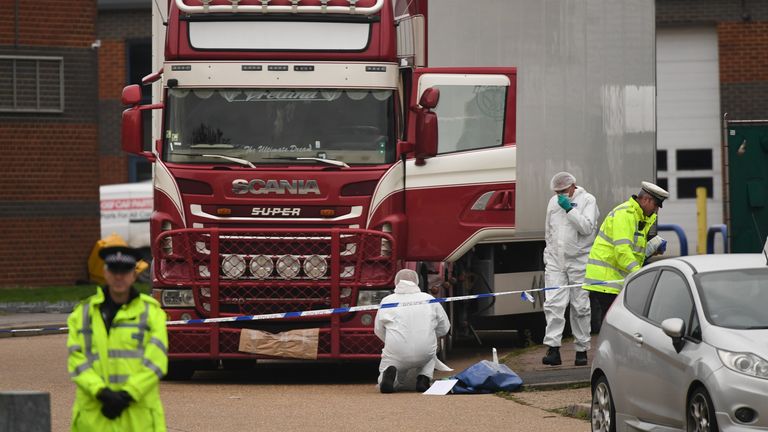
The victims died when they ran out of air in temperatures of up to 38.5C (101F), as the trailer was shipped from Belgium to Purfleet docks, Essex, in October 2019.

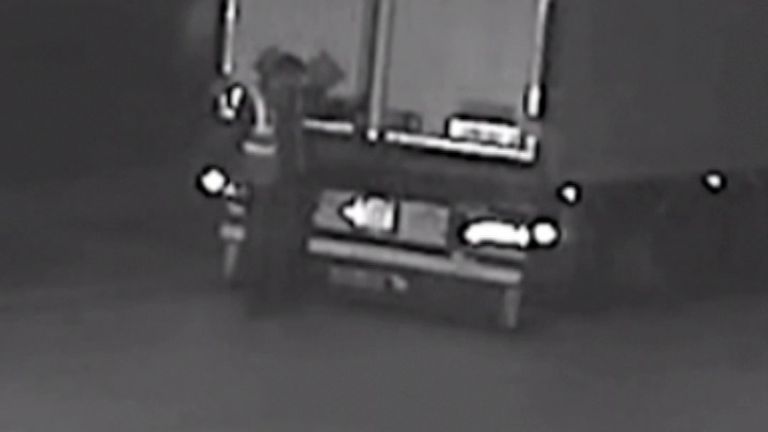
Police and forensics officers in Grays, Essex, last October
Image: The dead migrants included men, women and children, aged 15 to 44

Please use Chrome browser for a more accessible video player

Essex lorry deaths: What happened?

Two of the gang had admitted 39 manslaughter charges, while two more had been convicted of the same crimes after a 10-week trial late last year.

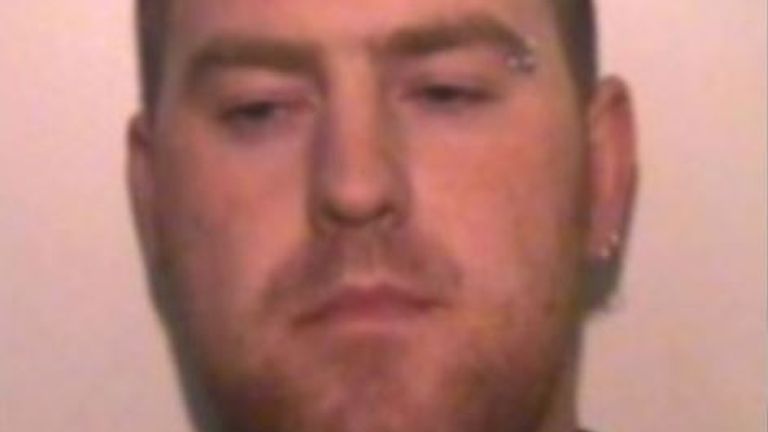
Haulier Ronan Hughes, 41, from Ireland, was a ringleader who supplied lorries and drivers over 18 months and was paid £3,000 for each migrant who arrived safely.

He admitted manslaughter and people smuggling and was jailed for 20 years.

Lorry driver Maurice Robinson is seen leaving Purfleet port in Essex after collecting the trailer containing the migrants
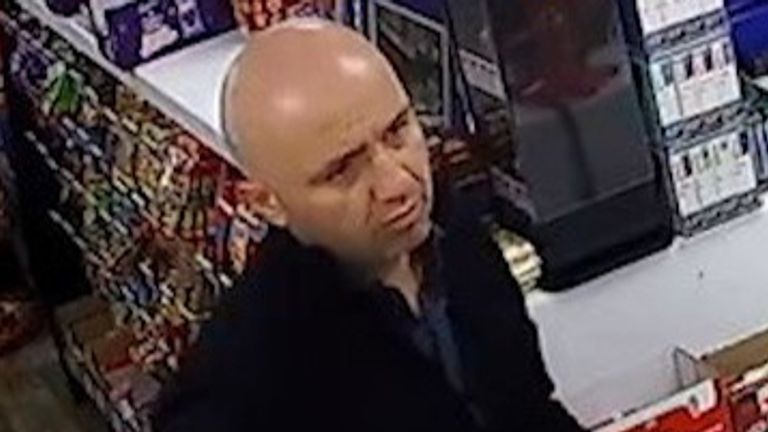
Image: Maurice Robinson discovered the bodies, but it took him 23 minutes to call for an ambulance
Ronan Hughes has pleaded guilty to 39 counts of manslaughter
Image: Haulier Ronan Hughes, 41, was a ringleader who supplied lorries and drivers

His lawyer said he usually smuggled 25 migrants in one operation and did not know there were 39 in the doomed trailer until it was too late to save them.

More from Essex Lorry Deaths

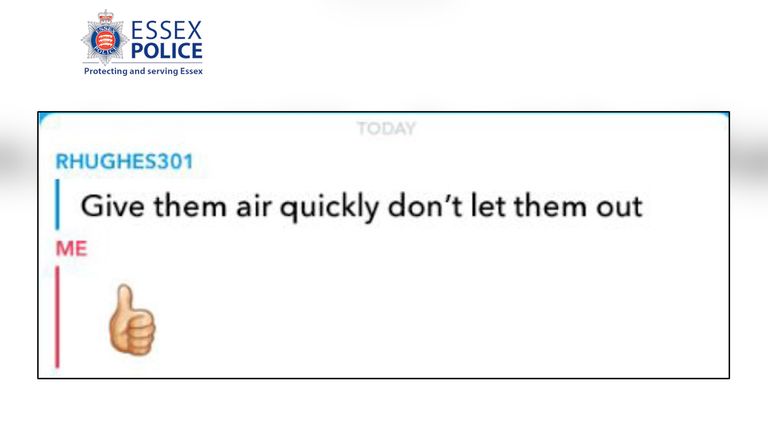
He had sent lorry driver Maurice Robinson, who collected the trailer at Purfleet, a Snapchat message reading: "Give them air quickly, don't let them out."

Robinson, 26, said he thought there were no more than 20 inside.

He opened the doors and discovered the bodies, but it took him 23 minutes to call for an ambulance.

His lawyer described the driver as "criminally unsophisticated" and did not appreciate the risks involved.

Robinson, from Northern Ireland, had admitted manslaughter and people smuggling. He was jailed for 13 years and four months.

Eamonn Harrison has denied killing the 39 migrants
Image: Eamonn Harrison was convicted of 39 counts of manslaughter
Gheorghe Nica pleaded not guilty to the manslaughter of the migrants
Image: Gheorghe Nica was also found guilty of the manslaughter of the migrants

Another lorry driver, Eamonn Harrison, 24, had picked up the migrants in northern France and driven them to the Belgium port of Zeebrugge, where he delivered the trailer for the ferry ride to Essex.

He had denied manslaughter and people smuggling and claimed during his Old Bailey trial that he thought he was smuggling stolen lorry parts.

He claimed he was told to park up and hide when the migrants were loaded into his trailer and had no idea how many were on board.

A message sent from Ronan Hughes to Maurice Robinson said: 'Give them air quickly don't let them out'
Image: Ronan Hughes sent a message to Maurice Robinson on Snapchat

His lawyer described him as "a somewhat inadequate young man" who had followed orders and would bear responsibility for the rest of his life.

Harrison, from Northern Ireland, was convicted of manslaughter and people smuggling and jailed for 18 years.

Please use Chrome browser for a more accessible video player

Moment lorry driver found dead migrants

Please use Chrome browser for a more accessible video player

police arrive at lorry filled with bodies

Gheorghe Nica, 43, had supplied cars and drivers to transfer migrants from the lorries to a safe house in south London.

He had denied manslaughter, but admitted being involved in previous smuggling operations and was jailed for 27 years.

Subscribe to the Daily podcast on Apple Podcasts, Google Podcasts, Spotify, Spreaker

Nica's lawyer said he did not know how many migrants were in the trailer and suggested haulier Ronan Hughes was more of a ringleader than he was.

Prosecutor Jonathan Polnay told the judge at an earlier hearing that both Hughes and Nica were leading figures in the smuggling operation, but added: "Whether or not the full picture will ever be known - was it a strictly hierarchical organisation with people based in different countries, or was it different organised criminals working in a chain? - is not clear."

Three others connected to the crime - Christopher Kennedy, Alexandru Hanga and Valentin Calota - were jailed for seven years, three years, and four-and-a-half years respectively.

In total, seven men were sentenced to more than 92 years in prison.

Judge Mr Justice Sweeney said he had "no doubt" that the "conspiracy was a sophisticated, long-running, and profitable one to smuggle mainly Vietnamese migrants across the channel".

He told the Old Bailey that the operation "amounted to professional, organised crime, largely using unregistered phones, committed for a profit motive, which significantly undermined the United Kingdom's attempts to regulate and control immigration".

Ben-Julian Harrington, chief constable of Essex Police, said it had been the biggest investigation in the force's history.

"Every person in that trailer had left behind a family," Mr Harrington said. "They had been promised safe passage to our shores and they were lied to. They were left to die, all because of the greed of the men who have been sentenced today."

He added that the families had "put their trust in us to deliver justice".

"I promised them that we would, and my teams have done just that," Mr Harrington said.

Let's block ads! (Why?)


https://news.google.com/__i/rss/rd/articles/CBMidmh0dHBzOi8vbmV3cy5za3kuY29tL3N0b3J5L2Vzc2V4LWxvcnJ5LWRlYXRocy1wZW9wbGUtc211Z2dsaW5nLWdhbmctamFpbGVkLWZvci1raWxsaW5nLTM5LXZpZXRuYW1lc2UtbWlncmFudHMtMTIxOTUyMjTSAXpodHRwczovL25ld3Muc2t5LmNvbS9zdG9yeS9hbXAvZXNzZXgtbG9ycnktZGVhdGhzLXBlb3BsZS1zbXVnZ2xpbmctZ2FuZy1qYWlsZWQtZm9yLWtpbGxpbmctMzktdmlldG5hbWVzZS1taWdyYW50cy0xMjE5NTIyNA?oc=5

2021-01-22 14:58:40Z
52781321514829

Coronavirus: UK R number 'between 0.8 and 1' - BBC News

health worker taking swab through car window
Getty Images

The UK's R number, a measure of whether the epidemic is growing or shrinking, is at or below one for the first time since early December.

The government's scientific advisors have estimated the virus is reproducing at a rate of between 0.8 and 1.

Anything below one means infections are in retreat.

Meanwhile Office for National Statistics (ONS) figures suggest cases are decreasing slightly or levelling off across Britain.

In Northern Ireland, however, cases have continued to rise and the new, more infectious strain has overtaken the older variant of the virus as of the start of January.

During the week ending 16 January, about one in 55 people in England had the virus, the ONS estimated, with one in 35 in London testing positive.

One 100 people had the virus in Scotland and one in 70 in Wales.

But in Northern Ireland infections have shot up from an an estimated one in 200 people testing positive in the week to 2 January, to one in 60 last week.

ONS statistician Sarah Crofts said while fewer people were testing positive in England, "rates remain high and we estimate the level of infection is still over one million people".

And, she pointed out, "the picture across the UK is mixed".

A survey by tech company ZOE and King's College London, based on swabs of people with and without symptoms, also suggested the R number could be at 0.8.

And it estimated symptomatic cases had fallen by a quarter since last week.

  • What is the UK's R number and why does it matter?
  • What do you need to know about the new variants?
  • 'Too early' to say if lockdown will end in spring

In a statement, the Department of Health and Social Care said: "There is variation across the country with R estimated to be below one in areas that have been under tighter restrictions for longest.

"Cases remain dangerously high and we must remain vigilant to keep this virus under control, to protect the NHS and save lives.

"It is essential that everyone continues to stay at home, whether they have had the vaccine or not."

Prof David Spiegelhalter at the University of Cambridge said: "Overall it looks like getting down to nearly half of where we were three weeks ago, which is enormously hopefully".

But he explained that the change in infections was taking a while to feed through to a fall in new hospital admissions, and couldn't yet be seen in the total number of hospital patients or deaths.

"We probably won't see that until the end of the month," he said.

And by next month, "we will start seeing the benefits of the vaccine".

The proportion of people testing positive for the new Covid variant has risen considerably in Scotland, Wales and Northern Ireland, ONS data suggest.

But the new strain, which remains by far the main source of infections in England, has yet to overtake the old strain in Scotland and Wales.

Within England, the proportion of infections that appear to be due to the new variant remained stable, but the gap between the regions is narrowing.

In the figures covering 2 January, 80% of infections looked like the new variant in London compared to 30% in the North East.

Two weeks later, that gap had narrowed to 70% in London versus 50% in the North East.

It's not clear what is behind the small fall in London, but it may be down to behaviour change, or other variants like the South Africa strain now in circulation and diluting the numbers.

Let's block ads! (Why?)


https://news.google.com/__i/rss/rd/articles/CBMiKmh0dHBzOi8vd3d3LmJiYy5jby51ay9uZXdzL2hlYWx0aC01NTc2ODAzM9IBLmh0dHBzOi8vd3d3LmJiYy5jby51ay9uZXdzL2FtcC9oZWFsdGgtNTU3NjgwMzM?oc=5

2021-01-22 14:46:00Z
52781320450888

Coronavirus: UK R number 'between 0.8 and 1' - BBC News

health worker taking swab through car window
Getty Images

The UK's R number, a measure of whether the epidemic is growing or shrinking, is at or below one for the first time since early December.

The government's scientific advisors have estimated the virus is reproducing at a rate of between 0.8 and 1.

Anything below one means infections are in retreat.

Meanwhile Office for National Statistics (ONS) figures suggest cases are decreasing slightly or levelling off across Britain.

In Northern Ireland, however, cases have continued to rise and the new, more infectious strain has overtaken the older variant of the virus as of the start of January.

During the week ending 16 January, about one in 55 people in England had the virus, the ONS estimated, with one in 35 in London testing positive.

One 100 people had the virus in Scotland and one in 70 in Wales.

But in Northern Ireland infections have shot up from an an estimated one in 200 people testing positive in the week to 2 January, to one in 60 last week.

ONS statistician Sarah Crofts said while fewer people were testing positive in England, "rates remain high and we estimate the level of infection is still over one million people".

And, she pointed out, "the picture across the UK is mixed".

A survey by tech company ZOE and King's College London, based on swabs of people with and without symptoms, also suggested the R number could be at 0.8.

And it estimated symptomatic cases had fallen by a quarter since last week.

  • What is the UK's R number and why does it matter?
  • What do you need to know about the new variants?
  • 'Too early' to say if lockdown will end in spring

In a statement, the Department of Health and Social Care said: "There is variation across the country with R estimated to be below one in areas that have been under tighter restrictions for longest.

"Cases remain dangerously high and we must remain vigilant to keep this virus under control, to protect the NHS and save lives.

"It is essential that everyone continues to stay at home, whether they have had the vaccine or not."

Prof David Spiegelhalter at the University of Cambridge said: "Overall it looks like getting down to nearly half of where we were three weeks ago, which is enormously hopefully".

But he explained that the change in infections was taking a while to feed through to a fall in new hospital admissions, and couldn't yet be seen in the total number of hospital patients or deaths.

"We probably won't see that until the end of the month," he said.

And by next month, "we will start seeing the benefits of the vaccine".

The proportion of people testing positive for the new Covid variant has risen considerably in Scotland, Wales and Northern Ireland, ONS data suggest.

But the new strain, which remains by far the main source of infections in England, has yet to overtake the old strain in Scotland and Wales.

Within England, the proportion of infections that appear to be due to the new variant remained stable, but the gap between the regions is narrowing.

In the figures covering 2 January, 80% of infections looked like the new variant in London compared to 30% in the North East.

Two weeks later, that gap had narrowed to 70% in London versus 50% in the North East.

It's not clear what is behind the small fall in London, but it may be down to behaviour change, or other variants like the South Africa strain now in circulation and diluting the numbers.

Let's block ads! (Why?)


https://news.google.com/__i/rss/rd/articles/CBMiKmh0dHBzOi8vd3d3LmJiYy5jby51ay9uZXdzL2hlYWx0aC01NTc2ODAzM9IBLmh0dHBzOi8vd3d3LmJiYy5jby51ay9uZXdzL2FtcC9oZWFsdGgtNTU3NjgwMzM?oc=5

2021-01-22 13:49:00Z
52781320450888

Coronavirus: UK R number 'between 0.8 and 1' - BBC News

health worker taking swab through car window
Getty Images

The UK's R number, a measure of whether the epidemic is growing or shrinking, is at or below one for the first time since early December.

The government's scientific advisors have estimated the virus is reproducing at a rate of between 0.8 and 1.

Anything below one means infections are in retreat.

Meanwhile Office for National Statistics (ONS) figures suggest cases are decreasing slightly or levelling off across Britain.

In Northern Ireland, however, cases have continued to rise and the new, more infectious strain has overtaken the older variant of the virus as of the start of January.

The proportion of people testing positive for the new Covid variant has risen considerably in Scotland, Wales and Northern Ireland, ONS data suggest.

But the new strain, which remains by far the main source of infections in England, has yet to overtake the old strain in Scotland and Wales.

Within England, the proportion of infections that appear to be due to the new variant remained stable, but the gap between the regions is narrowing.

  • What is the UK's R number and why does it matter?
  • What do you need to know about the new variants?
  • 'Too early' to say if lockdown will end in spring

In the figures covering 2 January, 80% of infections looked like the new variant in London compared to 30% in the North East.

Two weeks later, that gap had narrowed to 70% in London versus 50% in the North East.

It's not clear what is behind the small fall in London, but it may be down to behaviour change, or other variants like the South Africa strain now in circulation and diluting the numbers.

During the week ending 16 January, about one in 55 people in England had the virus, the ONS estimated, with one in 35 in London testing positive.

One 100 people had the virus in Scotland, one in 70 in Wales and one in 60 in Northern Ireland.

In the week to 2 January, when this data was last released, an estimated one in 200 people in Northern Ireland were testing positive.

A survey by tech company ZOE and King's College London, based on swabs of people with and without symptoms, suggested the R number could be at 0.8.

It suggested symptomatic cases had fallen by a quarter since last week.

Let's block ads! (Why?)


https://news.google.com/__i/rss/rd/articles/CBMiKmh0dHBzOi8vd3d3LmJiYy5jby51ay9uZXdzL2hlYWx0aC01NTc2ODAzM9IBLmh0dHBzOi8vd3d3LmJiYy5jby51ay9uZXdzL2FtcC9oZWFsdGgtNTU3NjgwMzM?oc=5

2021-01-22 13:07:00Z
52781320450888

Covid-19: Government sources downplay £500 self-isolation payment idea - BBC News

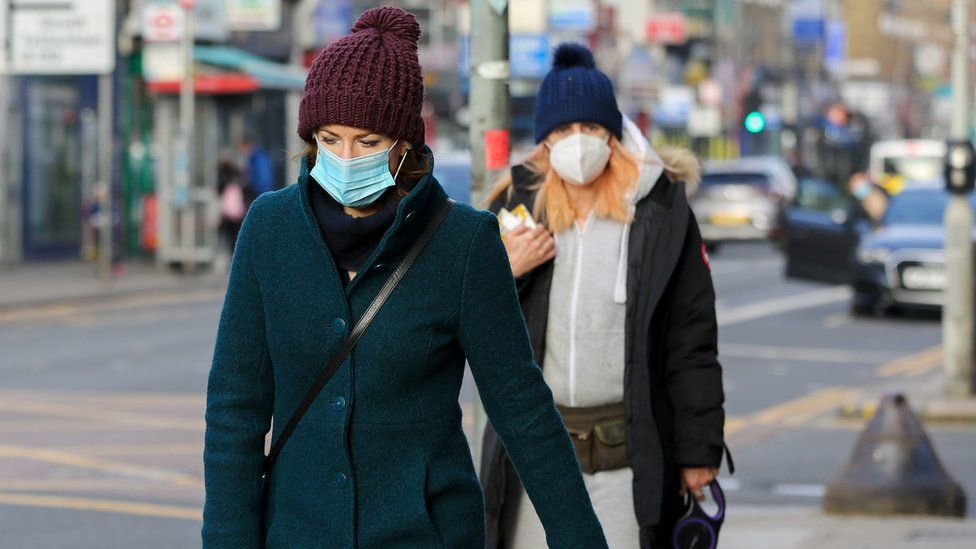
Woman in masks walk along a street in London on 21 January 2021
Getty Images

Government sources have firmly downplayed the idea of a universal £500 Covid payment for people in England required to self-isolate.

It is among the suggestions in a leaked document from the Department of Health.

There are fears the current financial support is not working because low paid workers cannot afford to self-isolate.

But a senior government source cast doubt on the idea, saying it had been drawn up by officials and had not been considered by the prime minister.

  • 'Too early' to say if lockdown will end in spring
  • Three-quarters 'rejected for self-isolation grant'
  • Who has to self-isolate and for how long?

Introducing a universal £500 payment could cost up to £453m per week - 12 times the cost of the current payouts.

BBC Newsnight's Katie Razzall says ministers are aware self-isolation is crucial for stopping the spread of coronavirus and the "options paper" has been drawn up by civil servants at the Department of Health.

She said it would be discussed soon by the Covid operations committee chaired by Cabinet Office minister Michael Gove, adding the move suggested there was an admission in government that too many people were not staying at home and a decision needed to be made quickly.

The story was first reported by the Guardian.

But BBC political correspondent Ben Wright said it was unlikely the policy would be implemented anytime soon, amid concern in government about the huge cost for the Treasury.

However, he said the issue of financial incentives and trying to get people to self-isolate was clearly a live discussion within government.

It became a legal requirement last September for anyone in England testing positive for coronavirus to self-isolate.

A £500 grant, administered by local authorities and funded by the government, was made available to people on low incomes who are not able to work from home.

The same level of payment is available in Scotland and Wales with similar conditions attached. Northern Ireland offers a discretionary self-isolation grant that covers expenses, such as the cost of groceries.

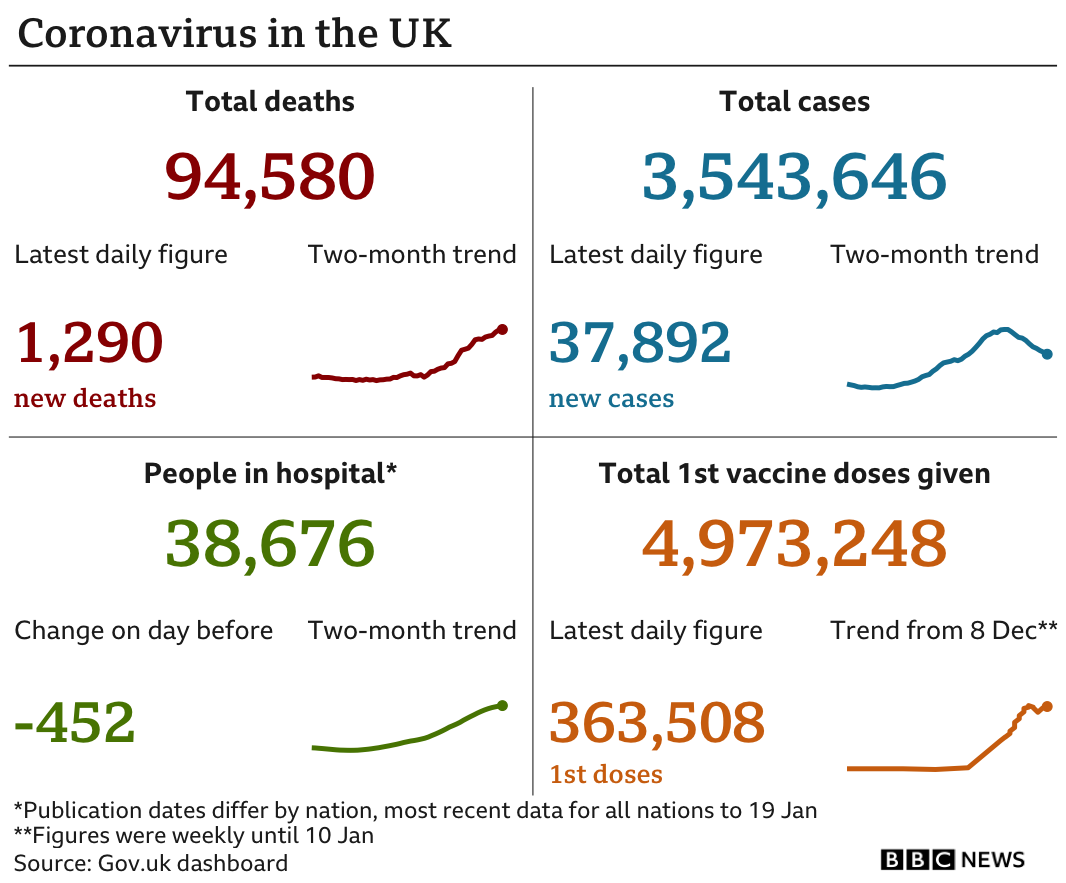
Coronavirus statistics

There is a list of specific criteria applicants must meet for the grant, but those who do not qualify for this payment and who are on a low income or may face financial hardship as a result of self-isolating can apply for a discretionary payment.

However, there have been high rejection rates for this discretionary grant in England, figures obtained by Labour and reported by the BBC this week suggest.

Between October and December last year, three-quarters of the 49,877 applications were rejected, the data showed.

Environment Secretary George Eustice told BBC Breakfast the issue of financial support for people self-isolating was "always kept under review".

He said it was "quite challenging" for some people to self-isolate fully if they were financially vulnerable and needed to carry on working.

"We've got to consider all sorts of policies in order to make sure that people abide by the rules, are able to abide by the rules and we get the infection rate down," he said.

Mr Eustice added that a sub-committee of the cabinet, which meets daily, would "weigh up the arguments for and against this before making any decision".

In other developments:

Prof Susan Michie, an adviser on the government's Scientific Pandemic Insights Group on Behaviours, told BBC Radio 4's Today programme just 18% of people with symptoms are self-isolating for the full 10 days they are meant to.

She said financial support currently offered to people having to self-isolate was a "key weakness" of the government's pandemic strategy.

"Many countries are approaching this whole test, trace and isolate system so much better than us," she said.

"And it's an absolutely key part of the jigsaw of getting out of the pandemic because we can't rely on vaccine.

"We need vaccine plus a really good test, trace and isolate system, plus people keeping up with the behaviours, the restrictions, adhering to the guidance."

The DoH said it would not comment on a leaked paper but stressed it was incumbent on everyone to help protect the NHS by staying at home and following the rules at "one of the toughest moments of this pandemic".

A spokesman said £50m was invested at the time the Test and Trace Support Payment scheme launched and it was providing a further £20m to help support people on low incomes who need to self-isolate.

Banner image reading 'more about coronavirus'
Banner
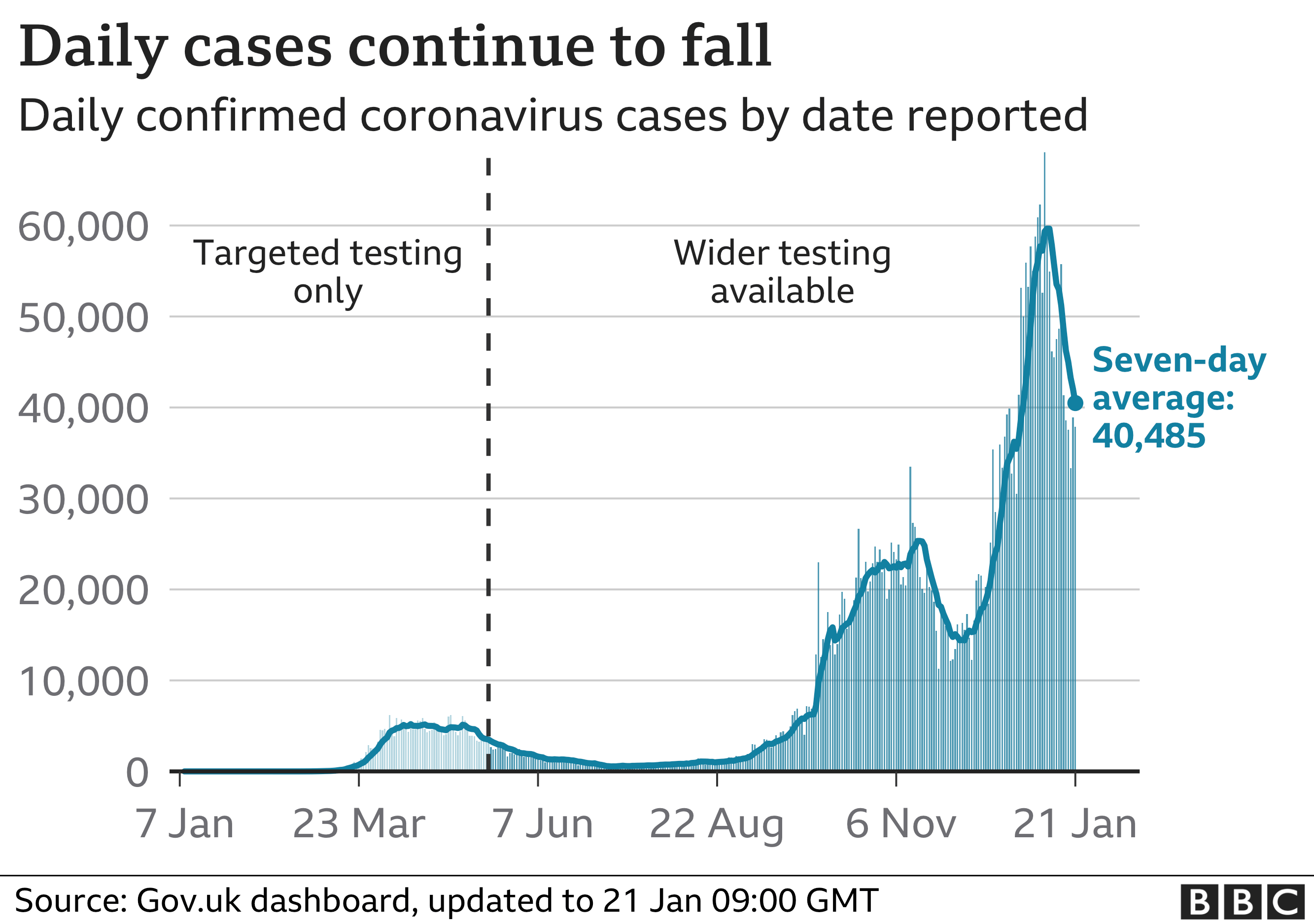
Graph showing daily cases
Banner Image Reading Around the BBC - Blue
Footer - Blue
Banner saying 'Get in touch'

Would £500 be enough to help you to self-isolate? Please share your experiences by emailing haveyoursay@bbc.co.uk.

Please include a contact number if you are willing to speak to a BBC journalist. You can also get in touch in the following ways:

If you are reading this page and can't see the form you will need to visit the mobile version of the BBC website to submit your question or comment or you can email us at HaveYourSay@bbc.co.uk. Please include your name, age and location with any submission.

Let's block ads! (Why?)


https://news.google.com/__i/rss/rd/articles/CBMiJmh0dHBzOi8vd3d3LmJiYy5jby51ay9uZXdzL3VrLTU1NzYwNDY30gEqaHR0cHM6Ly93d3cuYmJjLmNvLnVrL25ld3MvYW1wL3VrLTU1NzYwNDY3?oc=5

2021-01-22 10:46:00Z
52781321325119