Jumat, 22 November 2019

Chagos Islands dispute: UK misses deadline to return control - BBC News

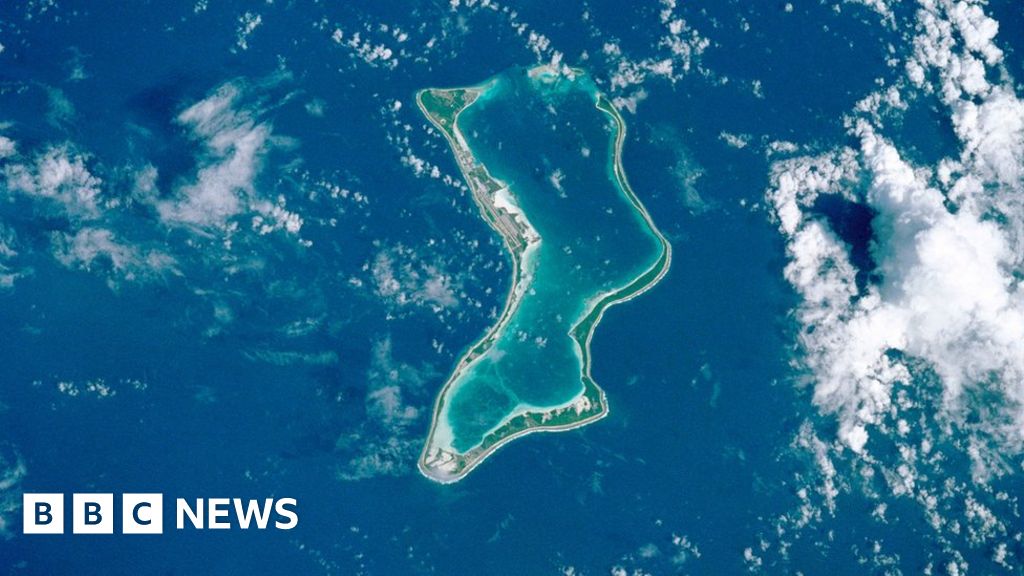
The UK has been called an illegal colonial occupier by Mauritius after it ignored a deadline to return control of an overseas territory to the island nation.

The UN had given the UK six months to give up control of the Chagos Islands - but that period has now passed.

Mauritius says it was forced to trade the small archipelago in the Indian Ocean in 1965 for independence.

The UK says it does not recognise Mauritius' claim to sovereignty.

Britain's Foreign and Commonwealth Office (FCO) insists it has every right to hold onto the islands - one of which, Diego Garcia, is home to a US military airbase.

"The UK has no doubt as to our sovereignty over the British Indian Ocean Territory (BIOT), which has been under continuous British sovereignty since 1814," it said in a statement.

"Mauritius has never held sovereignty over the BIOT and the UK does not recognise its claim."

But Labour Party leader Jeremy Corbyn said it was important to return the islands "as a symbol of the way in which we wish to behave in international law".

He added: "I am looking forward to being in government to right one of the wrongs of history."

The Chagos Archipelago was separated from Mauritius in 1965, when Mauritius was still a British colony. Britain purchased it for £3m - creating the BIOT.

Mauritius claims it was forced to give it up in exchange for independence, which it gained in 1968.

In May, the UN General Assembly voted overwhelming in favour of the Chagos Islands being returned - with 116 states backing the move and only six against.

The UN said that the decolonisation of Mauritius "was not conducted in a manner consistent with the right to self-determination" and that therefore the "continued administration... constitutes a wrongful act".

The UN resolution came only three months after the UN's high court advised the UK should leave the islands "as rapidly as possible".

As the six-month period came to a close, Mauritian Prime Minister Pravind Jugnauth said the UK was now an illegal colonial occupier.

Over the decades Mauritius has staked its claim, and finally - particularly after the Brexit vote - Britain's traditional allies in the international community have started to desert Britain, to abstain or to vote against it at the UN.

And the UN is now taking pretty significant steps to say: "Britain you are behaving appallingly, this is still colonialism - give it back."

Britain has ignored those calls - so what might any repercussions look like?

Sanctions would be slow, incremental and largely institutional - in the sense that Britain is going to find itself squeezed at institutions that it has traditionally seen as very important.

Britain no longer has a judge on 14-seat International Court of Justice in The Hague, and it's going to start to see UN maps reflecting the legal fact that the UN sees this islands as belonging to Mauritius.

The deadline is not binding, so no sanctions or immediate punishment will follow - but that could change.

At the time of the UN resolution, the FCO said the UK did not recognise Mauritius' claim to sovereignty, but would stand by an earlier commitment to hand over control of the islands to Mauritius when they were no longer needed for defence purposes.

Between 1968 and 1974, Britain forcibly removed thousands of Chagossians from their homelands and sent them more than 1,000 miles away to Mauritius and the Seychelles, where they faced extreme poverty and discrimination.

Many moved to the UK in the hope of a better life.

Britain then invited the US to build a military base on Diego Garcia.

US planes have been sent from the base to bomb Afghanistan and Iraq. The facility was also reportedly used as a "black site" by the CIA to interrogate terrorism suspects. In 2016, the lease for the base was extended until 2036.

The UK has repeatedly apologised for the forced evictions, which Mr Jugnauth has said were akin to a crime against humanity.

In 2002, the British Overseas Territories (BOTs) Act granted British citizenship to resettled Chagossians born between 1969 and 1982. But the 13-year window has left some families divided.

Let's block ads! (Why?)


https://news.google.com/__i/rss/rd/articles/CBMiJGh0dHBzOi8vd3d3LmJiYy5jb20vbmV3cy91ay01MDUxMTg0N9IBKGh0dHBzOi8vd3d3LmJiYy5jb20vbmV3cy9hbXAvdWstNTA1MTE4NDc?oc=5

2019-11-22 12:03:00Z
52780444163727

Chagos Islands dispute: UK misses deadline to return control - BBC News

The UK has been called an illegal colonial occupier by Mauritius after it ignored a deadline to return control of an overseas territory to the island nation.

The UN had given the UK six months to give up control of the Chagos Islands - but that period has now passed.

Mauritius says it was forced to trade the small archipelago in the Indian Ocean in 1965 for independence.

The UK says it does not recognise Mauritius' claim to sovereignty.

Britain's Foreign and Commonwealth Office (FCO) insists it has every right to hold onto the islands - one of which, Diego Garcia, is home to a US military airbase.

"The UK has no doubt as to our sovereignty over the British Indian Ocean Territory (BIOT), which has been under continuous British sovereignty since 1814," it said in a statement.

"Mauritius has never held sovereignty over the BIOT and the UK does not recognise its claim."

But Labour Party leader Jeremy Corbyn said it was important to return the islands "as a symbol of the way in which we wish to behave in international law".

He added: "I am looking forward to being in government to right one of the wrongs of history."

The Chagos Archipelago was separated from Mauritius in 1965, when Mauritius was still a British colony. Britain purchased it for £3m - creating the BIOT.

Mauritius claims it was forced to give it up in exchange for independence, which it gained in 1968.

In May, the UN General Assembly voted overwhelming in favour of the Chagos Islands being returned - with 116 states backing the move and only six against.

The UN said that the decolonisation of Mauritius "was not conducted in a manner consistent with the right to self-determination" and that therefore the "continued administration... constitutes a wrongful act".

The UN resolution came only three months after the UN's high court advised the UK should leave the islands "as rapidly as possible".

As the six-month period came to a close, Mauritian Prime Minister Pravind Jugnauth said the UK was now an illegal colonial occupier.

Over the decades Mauritius has staked its claim, and finally - particularly after the Brexit vote - Britain's traditional allies in the international community have started to desert Britain, to abstain or to vote against it at the UN.

And the UN is now taking pretty significant steps to say: "Britain you are behaving appallingly, this is still colonialism - give it back."

Britain has ignored those calls - so what might any repercussions look like?

Sanctions would be slow, incremental and largely institutional - in the sense that Britain is going to find itself squeezed at institutions that it has traditionally seen as very important.

Britain no longer has a judge on 14-seat International Court of Justice in The Hague, and it's going to start to see UN maps reflecting the legal fact that the UN sees this islands as belonging to Mauritius.

The deadline is not binding, so no sanctions or immediate punishment will follow - but that could change.

At the time of the UN resolution, the FCO said the UK did not recognise Mauritius' claim to sovereignty, but would stand by an earlier commitment to hand over control of the islands to Mauritius when they were no longer needed for defence purposes.

Between 1968 and 1974, Britain forcibly removed thousands of Chagossians from their homelands and sent them more than 1,000 miles away to Mauritius and the Seychelles, where they faced extreme poverty and discrimination.

Many moved to the UK in the hope of a better life.

Britain then invited the US to build a military base on Diego Garcia.

US planes have been sent from the base to bomb Afghanistan and Iraq. The facility was also reportedly used as a "black site" by the CIA to interrogate terrorism suspects. In 2016, the lease for the base was extended until 2036.

The UK has repeatedly apologised for the forced evictions, which Mr Jugnauth has said were akin to a crime against humanity.

In 2002, the British Overseas Territories (BOTs) Act granted British citizenship to resettled Chagossians born between 1969 and 1982. But the 13-year window has left some families divided.

Let's block ads! (Why?)


https://news.google.com/__i/rss/rd/articles/CBMiJGh0dHBzOi8vd3d3LmJiYy5jb20vbmV3cy91ay01MDUxMTg0N9IBKGh0dHBzOi8vd3d3LmJiYy5jb20vbmV3cy9hbXAvdWstNTA1MTE4NDc?oc=5

2019-11-22 12:00:22Z
52780444163727

Chagos Islands dispute: UK misses deadline to return control - BBC News

The UK has been called an illegal colonial occupier by Mauritius after it ignored a deadline to return control of an overseas territory to the island nation.

The UN had given the UK six months to give up control of the Chagos Islands - but that period has now passed.

Mauritius says it was forced to trade the small archipelago in the Indian Ocean in 1965 for independence.

The UK says it does not recognise Mauritius' claim to sovereignty.

Britain's Foreign and Commonwealth Office (FCO) insists it has every right to hold onto the islands - one of which, Diego Garcia, is home to a US military airbase.

"The UK has no doubt as to our sovereignty over the British Indian Ocean Territory (BIOT), which has been under continuous British sovereignty since 1814," it said in a statement.

"Mauritius has never held sovereignty over the BIOT and the UK does not recognise its claim."

But Labour Party leader Jeremy Corbyn said it was important to return the islands "as a symbol of the way in which we wish to behave in international law".

He added: "I am looking forward to being in government to right one of the wrongs of history."

The Chagos Archipelago was separated from Mauritius in 1965, when Mauritius was still a British colony. Britain purchased it for £3m - creating the BIOT.

Mauritius claims it was forced to give it up in exchange for independence, which it gained in 1968.

In May, the UN General Assembly voted overwhelming in favour of the Chagos Islands being returned - with 116 states backing the move and only six against.

The UN said that the decolonisation of Mauritius "was not conducted in a manner consistent with the right to self-determination" and that therefore the "continued administration... constitutes a wrongful act".

The UN resolution came only three months after the UN's high court advised the UK should leave the islands "as rapidly as possible".

As the six-month period came to a close, Mauritian Prime Minister Pravind Jugnauth said the UK was now an illegal colonial occupier.

Over the decades Mauritius has staked its claim, and finally - particularly after the Brexit vote - Britain's traditional allies in the international community have started to desert Britain, to abstain or to vote against it at the UN.

And the UN is now taking pretty significant steps to say: "Britain you are behaving appallingly, this is still colonialism - give it back."

Britain has ignored those calls - so what might any repercussions look like?

Sanctions would be slow, incremental and largely institutional - in the sense that Britain is going to find itself squeezed at institutions that it has traditionally seen as very important.

Britain no longer has a judge on 14-seat International Court of Justice in The Hague, and it's going to start to see UN maps reflecting the legal fact that the UN sees this islands as belonging to Mauritius.

The deadline is not binding, so no sanctions or immediate punishment will follow - but that could change.

At the time of the UN resolution, the FCO said the UK did not recognise Mauritius' claim to sovereignty, but would stand by an earlier commitment to hand over control of the islands to Mauritius when they were no longer needed for defence purposes.

Between 1968 and 1974, Britain forcibly removed thousands of Chagossians from their homelands and sent them more than 1,000 miles away to Mauritius and the Seychelles, where they faced extreme poverty and discrimination.

Many moved to the UK in the hope of a better life.

Britain then invited the US to build a military base on Diego Garcia.

US planes have been sent from the base to bomb Afghanistan and Iraq. The facility was also reportedly used as a "black site" by the CIA to interrogate terrorism suspects. In 2016, the lease for the base was extended until 2036.

The UK has repeatedly apologised for the forced evictions, which Mr Jugnauth has said were akin to a crime against humanity.

In 2002, the British Overseas Territories (BOTs) Act granted British citizenship to resettled Chagossians born between 1969 and 1982. But the 13-year window has left some families divided.

Let's block ads! (Why?)


https://news.google.com/__i/rss/rd/articles/CBMiJGh0dHBzOi8vd3d3LmJiYy5jb20vbmV3cy91ay01MDUxMTg0N9IBKGh0dHBzOi8vd3d3LmJiYy5jb20vbmV3cy9hbXAvdWstNTA1MTE4NDc?oc=5

2019-11-22 11:21:05Z
52780444163727

Chagos Islands dispute: UK misses deadline to return control - BBC News

The UK has been called an illegal colonial occupier by Mauritius after it ignored a deadline to return control of an overseas territory to the island nation.

The UN had given the UK six months to give up control of the Chagos Islands - but that period has now passed.

Mauritius says it was forced to trade the small archipelago in the Indian Ocean in 1965 for independence.

The UK says it does not recognise Mauritius' claim to sovereignty.

Britain's Foreign and Commonwealth Office (FCO) insists it has every right to hold onto the islands - one of which, Diego Garcia, is home to a US military airbase.

"The UK has no doubt as to our sovereignty over the British Indian Ocean Territory (BIOT), which has been under continuous British sovereignty since 1814," it said in a statement.

"Mauritius has never held sovereignty over the BIOT and the UK does not recognise its claim."

The Chagos Archipelago was separated from Mauritius in 1965, when Mauritius was still a British colony. Britain purchased it for £3m - creating the BIOT.

Mauritius claims it was forced to give it up in exchange for independence, which it gained in 1968.

In May, the UN General Assembly voted overwhelming in favour of the Chagos Islands being returned - with 116 states backing the move and only six against.

The UN said that the decolonisation of Mauritius "was not conducted in a manner consistent with the right to self-determination" and that therefore the "continued administration... constitutes a wrongful act".

The UN resolution came only three months after the UN's high court advised the UK should leave the islands "as rapidly as possible".

As the six-month period came to a close, Mauritian Prime Minister Pravind Jugnauth said the UK was now an illegal colonial occupier.

Over the decades Mauritius has staked its claim, and finally - particularly after the Brexit vote - Britain's traditional allies in the international community have started to desert Britain, to abstain or to vote against it at the UN.

And the UN is now taking pretty significant steps to say: "Britain you are behaving appallingly, this is still colonialism - give it back."

Britain has ignored those calls - so what might any repercussions look like?

Sanctions would be slow, incremental and largely institutional - in the sense that Britain is going to find itself squeezed at institutions that it has traditionally seen as very important.

Britain no longer has a judge on 14-seat International Court of Justice in The Hague, and it's going to start to see UN maps reflecting the legal fact that the UN sees this islands as belonging to Mauritius.

The deadline is not binding, so no sanctions or immediate punishment will follow - but that could change.

At the time of the UN resolution, the FCO said the UK did not recognise Mauritius' claim to sovereignty, but would stand by an earlier commitment to hand over control of the islands to Mauritius when they were no longer needed for defence purposes.

Between 1968 and 1974, Britain forcibly removed thousands of Chagossians from their homelands and sent them more than 1,000 miles away to Mauritius and the Seychelles, where they faced extreme poverty and discrimination.

Many moved to the UK in the hope of a better life.

Britain then invited the US to build a military base on Diego Garcia.

US planes have been sent from the base to bomb Afghanistan and Iraq. The facility was also reportedly used as a "black site" by the CIA to interrogate terrorism suspects. In 2016, the lease for the base was extended until 2036.

The UK has repeatedly apologised for the forced evictions, which Mr Jugnauth has said were akin to a crime against humanity.

In 2002, the British Overseas Territories (BOTs) Act granted British citizenship to resettled Chagossians born between 1969 and 1982. But the 13-year window has left some families divided.

Let's block ads! (Why?)


https://news.google.com/__i/rss/rd/articles/CBMiJGh0dHBzOi8vd3d3LmJiYy5jb20vbmV3cy91ay01MDUxMTg0N9IBKGh0dHBzOi8vd3d3LmJiYy5jb20vbmV3cy9hbXAvdWstNTA1MTE4NDc?oc=5

2019-11-22 08:37:05Z
52780444163727

Chagos Islands dispute: UK misses deadline to return control - BBC News

The UK has been called an illegal colonial occupier by Mauritius after it ignored a deadline to return control of an overseas territory to the island nation.

The UN had given the UK six months to give up control of the Chagos Islands - but that period has now passed.

Mauritius says it was forced to trade the small archipelago in the Indian Ocean in 1965 for independence.

The UK says it does not recognise Mauritius' claim to sovereignty.

Britain's Foreign and Commonwealth Office (FCO) insists it has every right to hold onto the islands - one of which, Diego Garcia, is home to a US military airbase.

"The UK has no doubt as to our sovereignty over the British Indian Ocean Territory (BIOT), which has been under continuous British sovereignty since 1814," it said in a statement.

"Mauritius has never held sovereignty over the BIOT and the UK does not recognise its claim."

The Chagos Archipelago was separated from Mauritius in 1965, when Mauritius was still a British colony. Britain purchased it for £3m - creating the BIOT.

Mauritius claims it was forced to give it up in exchange for independence, which it gained in 1968.

In May, the UN General Assembly voted overwhelming in favour of the Chagos Islands being returned - with 116 states backing the move and only six against.

The UN said that the decolonisation of Mauritius "was not conducted in a manner consistent with the right to self-determination" and that therefore the "continued administration... constitutes a wrongful act".

The UN resolution came only three months after the UN's high court advised the UK should leave the islands "as rapidly as possible".

As the six-month period came to a close, Mauritian Prime Minister Pravind Jugnauth said the UK was now an illegal colonial occupier.

Over the decades Mauritius has staked its claim, and finally - particularly after the Brexit vote - Britain's traditional allies in the international community have started to desert Britain, to abstain or to vote against it at the UN.

And the UN is now taking pretty significant steps to say: "Britain you are behaving appallingly, this is still colonialism - give it back."

Britain has ignored those calls - so what might any repercussions look like?

Sanctions would be slow, incremental and largely institutional - in the sense that Britain is going to find itself squeezed at institutions that it has traditionally seen as very important.

Britain no longer has a judge on 14-seat International Court of Justice in The Hague, and it's going to start to see UN maps reflecting the legal fact that the UN sees this islands as belonging to Mauritius.

The deadline is not binding, so no sanctions or immediate punishment will follow - but that could change.

At the time of the UN resolution, the FCO said the UK did not recognise Mauritius' claim to sovereignty, but would stand by an earlier commitment to hand over control of the islands to Mauritius when they were no longer needed for defence purposes.

Between 1968 and 1974, Britain forcibly removed thousands of Chagossians from their homelands and sent them more than 1,000 miles away to Mauritius and the Seychelles, where they faced extreme poverty and discrimination.

Many moved to the UK in the hope of a better life.

Britain then invited the US to build a military base on Diego Garcia.

US planes have been sent from the base to bomb Afghanistan and Iraq. The facility was also reportedly used as a "black site" by the CIA to interrogate terrorism suspects. In 2016, the lease for the base was extended until 2036.

The UK has repeatedly apologised for the forced evictions, which Mr Jugnauth has said were akin to a crime against humanity.

In 2002, the British Overseas Territories (BOTs) Act granted British citizenship to resettled Chagossians born between 1969 and 1982. But the 13-year window has left some families divided.

Let's block ads! (Why?)


https://news.google.com/__i/rss/rd/articles/CBMiJGh0dHBzOi8vd3d3LmJiYy5jb20vbmV3cy91ay01MDUxMTg0N9IBKGh0dHBzOi8vd3d3LmJiYy5jb20vbmV3cy9hbXAvdWstNTA1MTE4NDc?oc=5

2019-11-22 08:12:55Z
52780444163727

Chagos Islands dispute: UK misses deadline to return control - BBC News

The UK has been called an illegal colonial occupier by Mauritius after it ignored a deadline to return control of an overseas territory to the island nation.

The UN had given the UK six months to give up control of the Chagos Islands - but that period has now passed.

Mauritius says it was forced to trade the small archipelago in the Indian Ocean in 1965 for independence.

The UK says it does not recognise Mauritius' claim to sovereignty.

Britain's Foreign and Commonwealth Office (FCO) insists it has every right to hold onto the islands - one of which, Diego Garcia, is home to a US military airbase.

"The UK has no doubt as to our sovereignty over the British Indian Ocean Territory (BIOT), which has been under continuous British sovereignty since 1814," it said in a statement.

"Mauritius has never held sovereignty over the BIOT and the UK does not recognise its claim."

The Chagos Archipelago was separated from Mauritius in 1965, when Mauritius was still a British colony. Britain purchased it for £3m - creating the BIOT.

Mauritius claims it was forced to give it up in exchange for independence, which it gained in 1968.

In May, the UN General Assembly voted overwhelming in favour of the Chagos Islands being returned - with 116 states backing the move and only six against.

The UN said that the decolonisation of Mauritius "was not conducted in a manner consistent with the right to self-determination" and that therefore the "continued administration... constitutes a wrongful act".

The UN resolution came only three months after the UN's high court advised the UK should leave the islands "as rapidly as possible".

As the six-month period came to a close, Mauritian Prime Minister Pravind Jugnauth said the UK was now an illegal colonial occupier.

Over the decades Mauritius has staked its claim, and finally - particularly after the Brexit vote - Britain's traditional allies in the international community have started to desert Britain, to abstain or to vote against it at the UN.

And the UN is now taking pretty significant steps to say: "Britain you are behaving appallingly, this is still colonialism - give it back."

Britain has ignored those calls - so what might any repercussions look like?

Sanctions would be slow, incremental and largely institutional - in the sense that Britain is going to find itself squeezed at institutions that it has traditionally seen as very important.

Britain no longer has a judge on 14-seat International Court of Justice in The Hague, and it's going to start to see UN maps reflecting the legal fact that the UN sees this islands as belonging to Mauritius.

The deadline is not binding, so no sanctions or immediate punishment will follow - but that could change.

At the time of the UN resolution, the FCO said the UK did not recognise Mauritius' claim to sovereignty, but would stand by an earlier commitment to hand over control of the islands to Mauritius when they were no longer needed for defence purposes.

Between 1968 and 1974, Britain forcibly removed thousands of Chagossians from their homelands and sent them more than 1,000 miles away to Mauritius and the Seychelles, where they faced extreme poverty and discrimination.

Many moved to the UK in the hope of a better life.

Britain then invited the US to build a military base on Diego Garcia.

US planes have been sent from the base to bomb Afghanistan and Iraq. The facility was also reportedly used as a "black site" by the CIA to interrogate terrorism suspects. In 2016, the lease for the base was extended until 2036.

The UK has repeatedly apologised for the forced evictions, which Mr Jugnauth has said were akin to a crime against humanity.

In 2002, the British Overseas Territories (BOTs) Act granted British citizenship to resettled Chagossians born between 1969 and 1982. But the 13-year window has left some families divided.

Let's block ads! (Why?)


https://news.google.com/__i/rss/rd/articles/CBMiJGh0dHBzOi8vd3d3LmJiYy5jb20vbmV3cy91ay01MDUxMTg0N9IBKGh0dHBzOi8vd3d3LmJiYy5jb20vbmV3cy9hbXAvdWstNTA1MTE4NDc?oc=5

2019-11-22 07:43:46Z
52780444163727

Kamis, 21 November 2019

UK workers 'pull sickies to avoid going to work' - BBC News

Two in five adults would fake a sick day if they needed a day off, a Com Res survey for the BBC suggests.

When questioned on their morals and values, people admitted to lying about sickness, stealing and taking credit for other people's work.

While younger staff lied more often than their elders, they were more willing to stand up for colleagues.

The average worker takes around four sick days a year, according to the Office for National Statistics.

The most common reasons for calling off work in 2018 were the common cold, musculoskeletal problems (like back pain), mental health conditions and "other" problems.

Sickness due to fibbing was unsurprisingly not included in the government's statistics.

The UK-wide survey questioned 3,655 adults aged over 16.

Cover for colleagues

The findings are part of a larger survey about what people in the UK find right and wrong.

As well as faking sickies, employees are often also prepared to cover for colleagues who they know might be faking it.

The survey found that 66% would not tell bosses if they knew their colleagues were absent, but not ill.

Hayley Lewis, an occupational psychologist, said it takes confidence to tell your boss you need a break, and if the relationship is bad, employees will tend to be less truthful.

"'People don't leave an organisation - they leave their boss' goes the saying," says Ms Lewis.

Also, people can be influenced by their boss' behaviour, she adds.

"We look to role models. If the boss is dragging themselves in, not taking breaks, eating lunch at their desk, it reinforces the message that it is not okay to take a break," she says.

That often leaves employees only one option, Ms Lewis says - to ring up sick.

Men were almost twice as likely as women to say they would accept praise from a boss for work that someone else had done.

And almost a third said they stole work supplies like staplers and notebooks.

Standing up for women

The younger the employee, the more likely they were to speak up for women in the workplace.

Workers under 34 were more than twice as likely than older colleagues to turn to senior managers, or intervene. if they saw a male boss touch a female employee on the back during a meeting.

Only 16% of workers aged over 55 agreed.

While 70% of younger adults would report or intervene if a senior figure in a company made sexual comments towards a younger colleague, less than half of people over 55 would do the same.


Have you ever pulled a sickie or covered for a colleague who has? Have you ever been caught out? Share your experiences by emailing haveyoursay@bbc.co.uk.

Please include a contact number if you are willing to speak to a BBC journalist. You can also contact us in the following ways:

Let's block ads! (Why?)


https://www.bbc.com/news/business-50486921

2019-11-21 12:02:48Z
CBMiKmh0dHBzOi8vd3d3LmJiYy5jb20vbmV3cy9idXNpbmVzcy01MDQ4NjkyMdIBLmh0dHBzOi8vd3d3LmJiYy5jb20vbmV3cy9hbXAvYnVzaW5lc3MtNTA0ODY5MjE